
As an affiliate, we may earn a commission from qualifying purchases. We get commissions for purchases made through links on this website from Amazon and other third parties.
Picking the right cane can make walking feel steadier, less tiring, and a lot less stressful. The hard part is knowing whether you need a simple single-point cane, a more planted quad base, or a cane that folds up easily for travel. If you want the broader picture first, start with mobility aids: walkers, canes, and rollators and how to size and fit a cane correctly.
The wrong cane usually fails in one of three ways. It is too light and twitchy for the support you need. It is too bulky for your stride and starts catching your foot. Or it is adjusted poorly, which can make your shoulder, wrist, or back work harder than they should. This guide compares five strong options and shows where quad canes help more, where single-point canes feel easier, and when a cane is simply no longer enough.
If the right answer may be more than a cane, the mobility and transfers master guide lays out the bigger transfer and equipment picture.
Quick Picks
- Best Overall: Vive Folding Cane for a light, stable single-point cane that is easy to carry and easy to live with.
- Budget Pick: Nova Joy Designer Offset Quad Cane for people who want a more planted base without moving to a heavy cane.
- Premium Pick: HurryCane Freedom Edition for a folding cane with a more forgiving, more natural feel on everyday surfaces.
- Best for Daily Use: NOVA Designer Walking Cane for a simple offset cane that is light, quiet, and comfortable enough to keep by your side every day.
- Best Alternative: Medline Offset Handle Cane for a straightforward, sturdy single-point cane when you want basic support done well.
Best Overall
Budget Pick
Premium Pick
Best for Daily Use
Best Alternative
Comparison Table
| Product | Best For | Key Strength | Main Tradeoff |
|---|---|---|---|
| Vive Folding Cane | Light daily support and travel | Folds small and still feels sturdy in use | Less planted than a quad cane on rough ground |
| Nova Joy Designer Offset Quad Cane | More balance help without a huge base | Self-standing quad base with low overall weight | Replacement base can wear with heavy outdoor use |
| HurryCane Freedom Edition | Portable support with a more natural swing | Pivoting base and fast fold-down storage | Stand-up feature is hit-or-miss on rough or uneven floors |
| NOVA Designer Walking Cane | Everyday single-point use | Quiet offset design with soft foam grip | Does not give the extra planted feel of a quad base |
| Medline Offset Handle Cane | Basic dependable support | Sturdy aluminum build with simple height adjustment | Foam grip can wear out sooner with heavy long-term use |
Quick Decision Guide
- Pick the Vive Folding Cane if you want one simple cane you can carry in a bag, store in the car, or keep ready for errands and appointments.
- Pick the Nova Joy Quad Cane if balance is your bigger issue and you want a base that stands up on its own and feels more planted when you set it down.
- Pick the HurryCane if you want a folding cane but dislike the stiff, straight-up-and-down feel some standard canes have on daily walks.
- Pick the NOVA Designer Walking Cane if you already know a standard offset cane works for you and you want a light everyday model with less rattle and a softer grip.
- Pick the Medline Offset Handle Cane if you want a simple, sturdy single-point cane with no extra gimmicks.
- Move up to walker or rollator choices if the cane still leaves you reaching for walls, furniture, or another person's arm.
- If your main worry is stairs, think through stair use before choosing a base style just because it looks sturdier.
Quad vs. Single-Point Cane: Which One Feels Safer?
A quad cane usually feels safer when the person needs more help with standing balance than with pure forward walking. The four-foot base gives a more planted set-down, and it can stand on its own when you let go. That matters for people who pause often, reach for a doorknob, or need the cane to stay upright while they settle into a chair. If that sounds familiar, the comparison on quad cane vs. single-point cane is useful background.
A single-point cane usually feels easier once the person has enough balance to manage a lighter base. It swings more naturally, is less likely to catch on narrow spaces, and is easier to carry through stores, restaurants, and car transfers. That is why many people start with a walker or quad cane after surgery, then step down to a standard cane once they are stronger. If the cane still feels awkward, do not guess. Recheck how to size and fit a cane correctly first because poor fit can make a good cane feel bad.
The trick is not to buy the most support you can find. It is to buy the least device that still keeps you safe. Too much base can slow the stride, catch on stairs, or tangle with furniture. Too little base can leave the person feeling rushed and wobbly. If you are stuck between those two problems, start by deciding whether the person needs better balance when standing still or better flow when walking.
Best Canes for Seniors: Top Picks
1 / 5 Focus Folding single-point cane for light daily support Fit Adjusts from 33 to 37 in with 250 lb support Carry Folds at three points for bags and travel Comfort Ergonomic grip with wrist strap Tradeoff Less planted than a quad base on uneven groundVive Folding Cane

The Vive Folding Cane is the best overall pick because it gets the basics right without turning the cane into a chore to carry. It is a standard single-point cane, so it suits people who still have a fairly natural walking pattern and mainly need balance help, a lighter touch point, or a little support on longer errands. The anodized aluminum frame stays light, the cane folds into a compact shape for storage, and the wrist strap helps keep it from clattering to the floor every time you let go.
What makes it easy to recommend is that it still feels sturdy in normal use. It adjusts easily, folds quickly, and stays practical for home use, car trips, and appointments. The tradeoff is that it is still a single-point cane. On slippery floors, rough outdoor ground, or days when the person needs heavier weight-bearing support, this style will not feel as planted as a quad base.
Why It Helps:
- The folding design makes it much easier to stash in a bag, walker basket, or car.
- The ergonomic grip and wrist strap help reduce hand fatigue during short daily walks.
- It stays lighter than most heavy-duty or self-standing cane designs.
What To Keep In Mind:
- A standard tip is easier to swing, but it does not feel as planted as a quad base.
- Larger hands may want a thicker grip for longer use.
2 / 5 Focus Lightweight quad cane with self-standing base Fit Adjusts from 28 to 39 in and supports 300 lb Base 4.75 x 4.75 in stand-alone quad tip Comfort Foam grip with wrist strap and anti-rattle lock Tradeoff Base wear matters if used heavily outdoorsNova Joy Designer Offset Quad Cane

The Nova Joy is the best budget pick because it gives real quad-cane stability without feeling oversized or clunky. The offset handle supports wrist alignment, the cane weighs only a little over a pound, and the base is small enough to fit better in tighter spaces than old-school wide quad bases. That makes it a good bridge choice for someone who needs more balance help than a single-point cane offers but is not ready for a walker.
It also solves one of the most annoying cane problems: where to put it when you stop. The small self-standing base keeps it upright on level floors, and the anti-rattle height lock keeps the cane from sounding loose. The main caution is long-term base wear. Owners who used it heavily on rough outdoor surfaces said the replaceable base can wear down and become easier to tip, so this is a strong value buy, but not a set-it-and-forget-it cane if it will see heavy outdoor mileage every day.
Why It Helps:
- The quad base gives a more planted feel for standing balance and short pauses.
- The shorter minimum height makes it a rare good fit for petite users.
- It stays much lighter than many older quad cane designs.
What To Keep In Mind:
- The base may need replacement sooner if the cane is used hard on pavement or gravel.
- Some people with weaker hands may need help pressing the height-adjust button the first time.
3 / 5 Focus Folding cane with pivoting base and standing support Fit Adjusts from 30.5 to 37.5 in Base Compact SteadiGrip base with pivoting design Carry Collapses to 13.7 in for travel Tradeoff Self-standing claim depends a lot on the floor surfaceHurryCane Freedom Edition
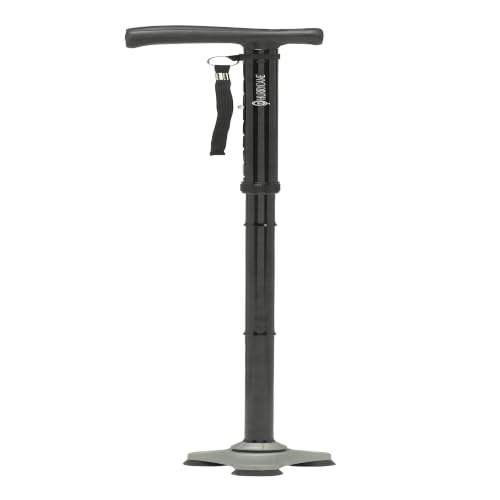
The HurryCane is the premium pick for people who want a cane that feels a little smoother and more natural through the walking cycle than a stiff straight cane. The pivoting base is the main difference. It lets the cane track the ground more fluidly as the person steps, which can feel easier on the wrist and less jerky than a fixed tip. It also folds down fast, so it works well for car trips, appointments, and days when the cane is needed on and off instead of all day long.
This cane does a nice job splitting the difference between a simple single-point model and a bulkier self-standing cane. It is light, comfortable in the hand, and compact when folded. The caution is that the stand-up feature is not equally reliable on every surface. It behaves best on flat wood or tile and is much less dependable on gravel, rough floors, or uneven carpets. That means you should treat the standing base as a convenience, not the main reason to buy it.
Why It Helps:
- The pivoting base gives a more natural feel than many rigid cane tips.
- The fold-down design is genuinely useful for travel and appointments.
- It offers more convenience than a plain cane without moving to a full quad base.
What To Keep In Mind:
- It will not stay upright reliably on every floor surface.
- Heavy long-term use will eventually wear the feet and grip like any compact folding cane.
4 / 5 Focus Lightweight offset single-point cane for everyday walking Fit Adjusts from 30 to 39 in with 300 lb capacity Comfort Soft foam grip and wrist strap Build Locking silencer reduces rattle Tradeoff Still a standard-tip cane without self-standing supportNOVA Designer Walking Cane

The NOVA Designer Walking Cane is the best daily-use option because it does not try to be anything fancy. It is a classic offset cane with a one-pound aluminum frame, a soft foam grip, an adjustable height range that suits many adults, and a locking silencer that keeps the shaft from sounding loose. That combination makes it easy to grab every morning and keep using without a learning curve.
This is the cane that fits readers who already know a standard offset cane works for them and just want a better version of the same idea. It stays lighter and quieter than many older offset canes while keeping the familiar shape people already know how to use. The main tradeoff is that it remains a single-point cane. It will not stand by itself, and it will not give the planted set-down a quad base can provide for people who feel wobbly while standing still.
Why It Helps:
- The offset handle keeps the support simple and familiar for daily walking.
- The silencer and foam grip make the cane feel calmer and more comfortable in use.
- The one-pound build is easier to carry than many bulkier support canes.
What To Keep In Mind:
- It gives less standing stability than a quad cane.
- Height adjustment can feel finicky if the shaft is rotated while you line up the button.
5 / 5 Focus Basic offset aluminum cane for dependable support Fit Adjusts from 29 to 38 in with 300 lb support Comfort Foam grip with wrist loop Traction Rubber tip for everyday surfaces Tradeoff Grip foam may not hold up as long as the metal frameMedline Offset Handle Cane

The Medline Offset Handle Cane is the best alternative for readers who want a basic cane that feels sturdy and dependable without extra moving parts. It has the familiar offset shape many therapists recommend, a 29- to 38-inch adjustment range, and a 300-pound support rating. The aluminum frame feels solid, and the cane keeps the focus where it belongs: simple support, simple fit, simple daily use.
This is also a good option for people stepping down from a walker who want a standard cane first, not a folding model or a pivoting base. Several owners called out the stable rubber tip, substantial build, and comfortable foam grip. The tradeoff is long-term wear on the grip. The frame itself tends to hold up well, but heavy everyday use can split or wear out the foam sooner than the metal shaft.
Why It Helps:
- The sturdy frame inspires more confidence than flimsy bargain canes.
- The height range works for many adults and is easy to dial in.
- The offset handle and rubber tip keep the support straightforward and predictable.
What To Keep In Mind:
- The foam handle may wear faster than the rest of the cane.
- It is a basic single-point cane, so it will not solve bigger balance problems by itself.
How to Choose Canes for Seniors
Start by asking one plain question: does the person need help while walking, while standing still, or both? A single-point cane is usually best when the person still walks with a fairly steady rhythm and mostly needs a little balance help or a little unloading of one side. A quad cane makes more sense when the person looks shaky during pauses, transitions, or standing tasks like unlocking a door or turning toward a chair. If the answer is "both, and it still does not feel safe," stop shopping canes and move up to walkers or rollators.
Next, fit matters more than brand. The cane should be adjusted to the person, not used straight out of the box. The guide on how to size and fit a cane correctly gives the practical check: the handle should line up around the wrist level when the arm rests naturally at the side, and the elbow should keep a slight bend. A cane that is too short can make the person stoop. A cane that is too tall can force the shoulder upward and make the support feel weak.
Then look at the handle and the tip, because those two pieces shape daily comfort more than the shaft color or the pattern. Foam or ergonomic grips are often easier on sore hands. Offset handles usually spread weight better than decorative straight handles. The tip also matters. A fresh rubber tip grips much better than a worn one, which is why checking the tip for wear and replacing it before it gets slick should stay part of the routine.
Think about where the cane will be used most. Indoors, a lighter single-point cane often feels easier around furniture and narrow spaces. Outdoors, a quad base can feel steadier on carpet, cement, and rougher ground, though it can also catch more easily if the person hurries. Stairs are their own issue too. A quad base is not always easier there, so do not assume the bigger base will solve every stair problem.
Finally, be realistic about the person's strength and confidence. A cane is not a magic bridge between "unsafe" and "safe." If the person keeps reaching for walls, needs both hands to stand, or cannot walk without another person nearby, the right next step may be a walker or rollator instead of a different cane.
Common Mistakes When Choosing Canes for Seniors
- Buying a quad cane just because it looks safer, even when the person really needs a lighter, easier single-point cane.
- Buying a single-point cane because it looks simpler, even when the person needs a more planted base during pauses and turns.
- Forgetting to adjust the height before the first walk.
- Ignoring cane-tip wear until the rubber is slick and the cane starts slipping.
- Treating a cane like a replacement for a walker when the person's balance has already moved past cane level.
Another common mistake is choosing by looks alone. A pretty cane or a compact fold-up design is fine if the support level is right. It is a bad pick if the person feels rushed, unsteady, or afraid to lean on it. The right cane should make walking calmer, not make the person work harder to prove they can get by with less help.
Frequently Asked Questions About Canes for Seniors
Is a quad cane always better than a single-point cane?
No. A quad cane gives more standing stability, but it can also feel bulkier and slower. A single-point cane is often easier for people who still walk with a smoother stride and mainly need lighter balance help.
How do I know if the cane height is correct?
The cane should be adjusted so the handle sits around wrist level when the arm hangs naturally at the side, with a slight bend at the elbow when holding it. If the person stoops or hikes the shoulder, the height needs another look.
Should the cane go on the weak side or the strong side?
A cane is usually held in the hand opposite the weaker or injured leg. That setup gives better support during walking and is the standard starting point for safe cane use.
When should someone move from a cane to a walker?
Move up when the cane no longer feels like enough support, when the person keeps grabbing furniture, or when standing and turning feel unsafe even with the cane adjusted correctly. A cane should improve confidence, not just look smaller and easier.
Are folding canes as stable as regular canes?
A good folding cane can still feel very solid in normal daily use, especially for errands and travel. The tradeoff is that very compact designs usually give less planted support than a full quad base or heavier standard cane.
How often should cane tips or bases be replaced?
Replace them when the rubber gets smooth, uneven, cracked, or noticeably less grippy. If a self-standing base starts tipping more easily than it used to, that is also a sign it is time for replacement.
If the cane is only one part of a bigger mobility setup, compare best walkers for more support when you need more support, look at walker bags and organizers if carrying items is the real struggle, and keep the mobility aid guide handy when the right answer may not be a cane at all.